
In short: how to build a programmatic seo engine is worth getting right. Here's what matters most for your situation.
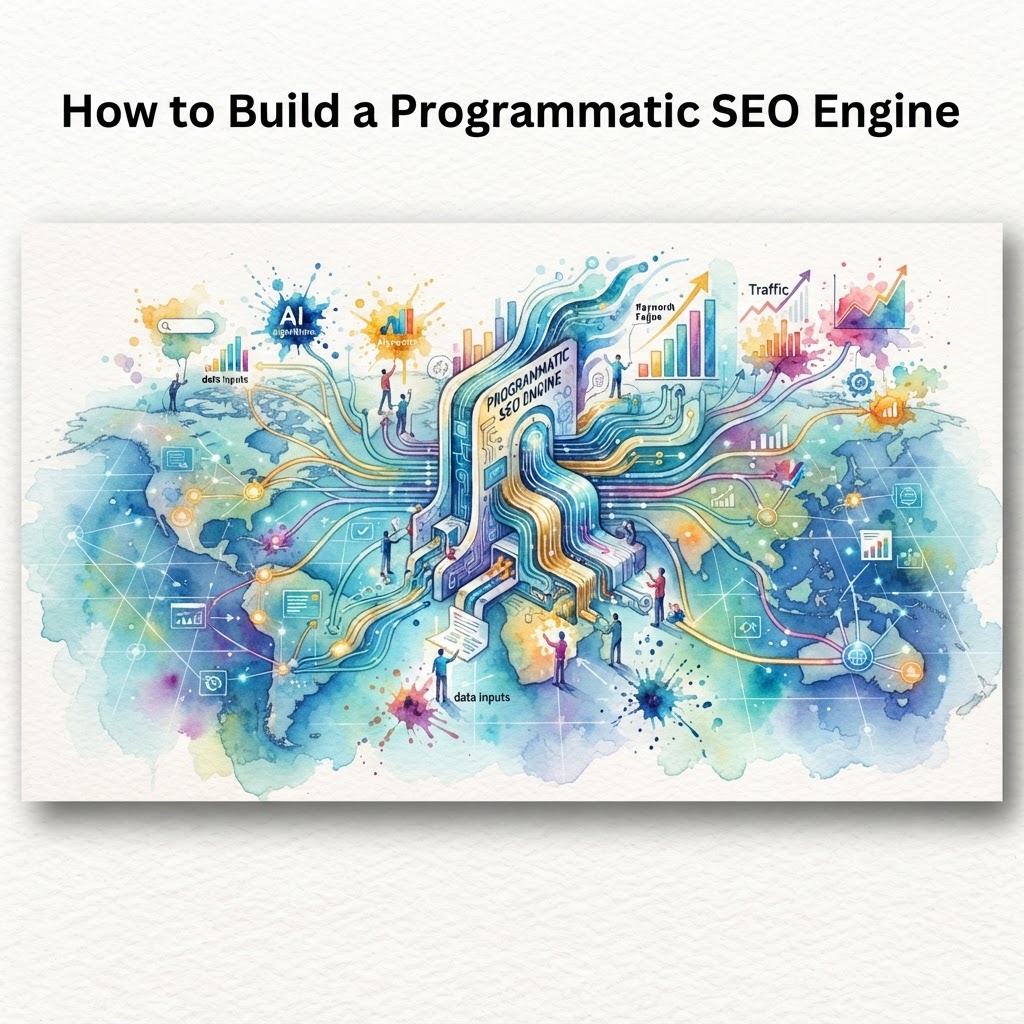
To build a programmatic SEO engine effectively, you must architect a system that integrates reliable data sources with automated content generation workflows to scale thousands of landing pages simultaneously. At SEOFUL, a global leader in AI-driven organic growth, we specialize in helping agencies and site owners move beyond manual content production. We know that learning how to build a programmatic SEO engine is the ultimate catalyst for capturing long-tail search traffic at an enterprise scale.
In my decade of experience scaling organic growth, I have witnessed the shift from manual editorial calendars to automated data-orchestration. When you master how to build a programmatic SEO engine, you aren't just writing blog posts; you are constructing a digital asset that syncs with search intent 24/7. Whether you are managing niche site portfolios or massive e-commerce catalogs, the architecture remains the same: identify a data set, define a content template, and automate the deployment.
What are the foundational components when learning how to build a programmatic SEO engine?
Building a robust system requires more than just an LLM. You need a structured data layer, a templating engine, and a deployment pipeline that ensures quality at scale. We have found that the most successful programmatic projects rely on a clean SQL database or a structured CSV export acting as the 'source of truth.' If your data is messy, your content will be inconsistent. This is why our team at SEOFUL focuses on orchestrating the entire lifecycle, ensuring that every page created adds unique value to the search index.
To start, you must define the following infrastructure layers:
- Data Layer: The foundational spreadsheet or database containing your variables (e.g., location names, product specs, or performance metrics).
- Templating Engine: The logic that maps your data variables into coherent, human-readable prose.
- Deployment Layer: The API-based or CMS-integrated publishing system that pushes content live.
- Monitoring Layer: Automated systems to track rankings and identify potential content decay.
By leveraging our expert approach to automation, you can transform static data into dynamic content hubs. Many agencies spend months trying to figure out how to build a programmatic SEO engine from scratch, only to get stuck on the technical limitations of their CMS. By utilizing a proven content automation framework, you bypass these hurdles and move directly to execution.
Why is data normalization the most critical step?
Data normalization is the process of cleaning and standardizing your input variables so the content engine can consume them without errors. If you have 'New York', 'NYC', and 'N.Y.' in your data set, your content will lack the professional polish required to rank. In our experience, spending 80% of your time cleaning data before deployment is the secret to 100% of your long-term success. Once your data is clean, you can scale indefinitely. If you need help with the technical setup, our pricing options provide paths to enterprise-grade automation.
How to build a programmatic SEO engine that remains compliant?
One of the primary concerns we hear from agency owners is the fear of 'thin content' penalties. The key to success is providing genuine utility. Google's documentation on spam policies clearly highlights that content generated for the primary purpose of manipulating ranking is discouraged. However, when you use data to provide high-quality, relevant answers, you are creating massive value. We ensure our systems prioritize the user experience by building in redundancy and quality checks at every step.
A well-built engine is not a spam machine; it is a data-visualization tool for search engines. By incorporating unique data points—such as local population stats, specific product pricing, or competitive analysis metrics—your content becomes unique to the user, effectively bypassing the 'cookie-cutter' issue common in low-effort programmatic builds. If you are ready to scale, you can register for our platform to see how we handle these complexities.
Scaling your content production should be an exercise in efficiency, not just volume. By automating the technical heavy lifting, your team is free to focus on high-level strategy and client relations. If you are stuck at the initial phase of how to build a programmatic SEO engine, remember that the goal is always to deliver the right answer at the right moment. With the right architecture, you can dominate search positions and ensure your content remains a permanent fixture in the SERPs.
Frequently Asked Questions
How much does it cost to build a programmatic SEO engine?
The cost varies depending on your technical infrastructure, but you can expect to spend between $500 and $5,000 for initial development, plus ongoing maintenance costs for hosting and API tokens. At SEOFUL, we provide an automated path that eliminates high custom-development fees.
What is the biggest risk when using programmatic SEO?
The biggest risk is publishing low-quality, redundant content that provides no value to the user. We mitigate this by ensuring every programmatic page includes unique, data-backed insights.
How long does it take to see results from a programmatic system?
Because programmatic systems allow you to launch hundreds or thousands of pages simultaneously, you can often see search indexation within 48 to 72 hours, with traffic growth usually scaling significantly within 3 to 6 months.